
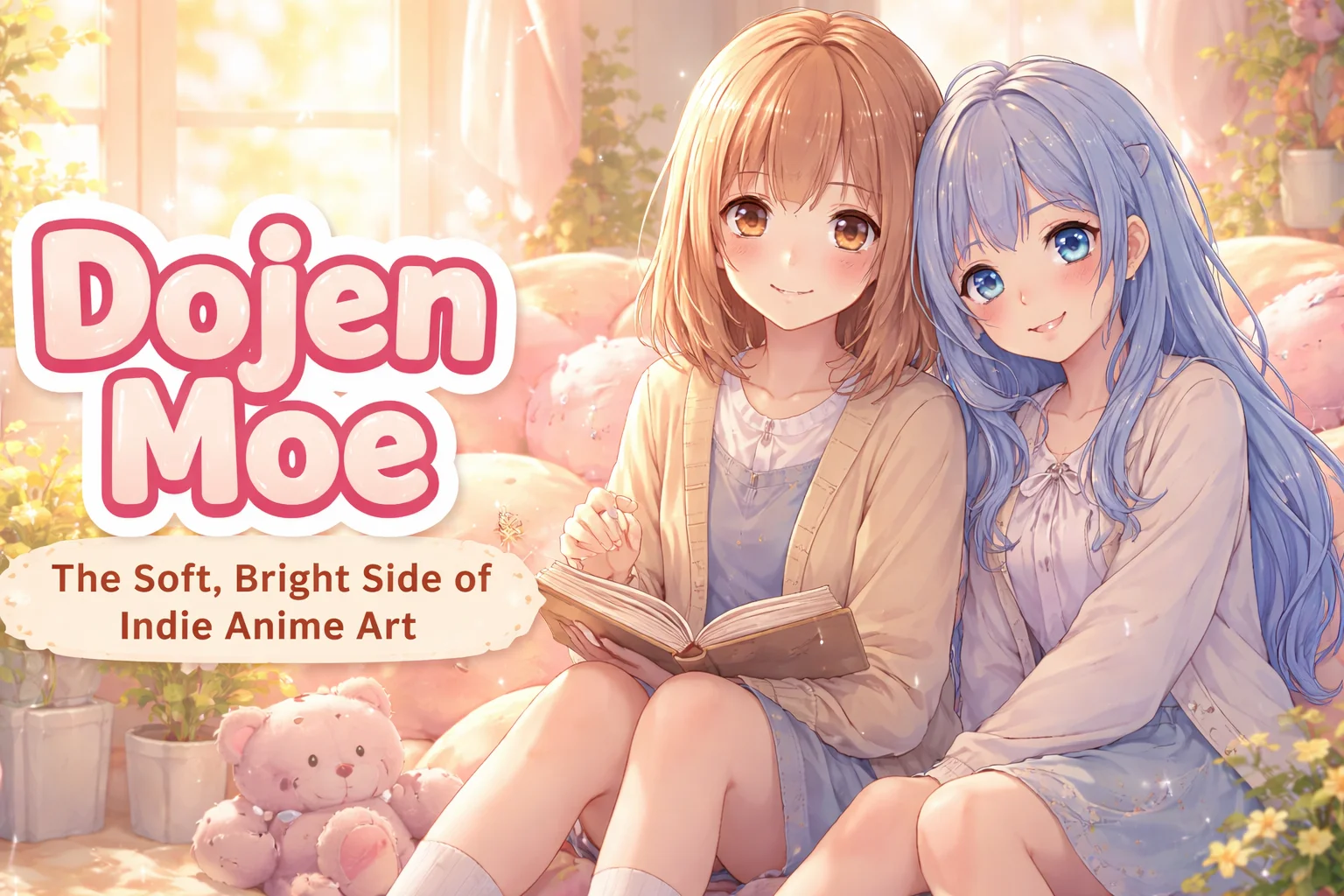
Dojen Moe is a style or creative idea where independent artists create emotionally expressive, anime-inspired content that focuses on softness, nostalgia, and character connection. Doujin points to self-published and fan-made work, while moe refers to the warm, protective, affectionate feeling people often experience toward fictional characters in anime and manga. Put together, Dojen Moe suggests a world of independent art that is personal, tender, and emotionally rich.
The idea fits modern digital fandom communities because people now discover art through online platforms, not just publishers or studios. That shift gives indie digital creators more room to share niche, emotionally expressive work, and it helps internet micro-subcultures grow around shared moods, aesthetics, and character-driven storytelling. In that sense, Dojen Moe feels fresh, intimate, and very online.
What makes Dojen Moe appealing is its focus on feeling. It favors soft emotion over loud spectacle, and quiet connection over mass appeal. That is closely aligned with academic descriptions of moe as an affective response to fictional characters, especially when those characters are drawn to invite care, warmth, or nostalgia.
What is Dojen Moe?
Doujin refers to self-published work and fan-led creativity. In Japanese fan culture, this has long included original comics, parodies, novels, and other forms of independent publishing. Britannica notes that fans of anime series have used self-published comics to exchange ideas and explore new interpretations, which makes doujin culture a natural home for experimentation.
Moe is more than “cute.” Scholars describe it as an emotional reaction to fictional characters, often tied to affection, protectiveness, and a sense of imaginative closeness. In Japanese otaku culture, moe has become a major emotional language for fans who connect deeply with characters in anime, manga, games, and related media.
When the two ideas blend, Dojen Moe becomes a useful shorthand for emotionally expressive independent art. It suggests a style that is self-made, community-driven, and character-focused. It also captures the spirit of fan-made manga, anime-inspired artwork, and stories that live between personal expression and shared cultural memory.
Origins of the Dojen Moe Concept
The roots of Dojen Moe sit inside the broader history of doujin culture. Fans have long made their own books, comics, and stories outside the commercial system, and this DIY tradition helped shape many parts of modern manga and anime fandom. Academic work on doujinshi shows that self-published fan works are not a side note; they are part of the creative engine of the scene.
As online sharing became easier, creators could move from local circles to global audiences. Platforms built for art sharing and fan discussion let small creators find readers quickly, while communities formed around tags, comments, and shared visual tastes. That social layer is a major reason a niche label like Dojen Moe can feel alive even before it becomes formally defined.
Dojen Moe works best as a modern aesthetic label because the internet loves compact identities. A phrase can become a mood, a mood can become a tag, and a tag can become a community. In that way, Dojen Moe fits alongside other niche online movements that form around style, emotion, and the desire to belong.
Dojen Moe in Digital Art Culture
Independent artists are central to the Dojen Moe idea. They are the ones who take emotional themes, soft visuals, and personal storytelling and shape them into a recognizable look and feel. Because they are not locked into studio schedules or mass-market expectations, they can make work that feels intimate and honest.
Dojen Moe thrives on visual cues that speak quietly but clearly. Gentle expressions, careful framing, and character-first scenes can create a strong emotional message without heavy dialogue. This is where emotional storytelling in art becomes powerful: the image itself carries mood, memory, and longing.
Works in this space often center on tenderness, solitude, friendship, and small personal moments. The emphasis is not on huge plots or dramatic escalation, but on atmosphere and inner life. That makes the style especially attractive to audiences who value character-driven storytelling and quiet emotional payoff.
Key Characteristics of the Dojen Moe Art Style
A Dojen Moe art style usually feels gentle before it feels loud. Soft color palettes, light shadows, and calm composition help create a peaceful mood. Even when the subject is sad or reflective, the visual tone often stays inviting rather than harsh.
Character design matters enormously here. The faces, poses, and gestures are often built to trigger a character affection response—that feeling that makes viewers care right away. Scholars of moe note that the effect comes from how a character is framed emotionally, not just how they look.
Dojen Moe often carries nostalgic visual themes. It can remind people of summer evenings, quiet rooms, old friendships, or moments that feel too brief to last. That emotional softness is part of the charm, and it helps the work feel warm, human, and memorable.
A strong Dojen Moe piece does not need clutter. A single character, a quiet background, and a clear mood can say more than a crowded scene. This minimalist but expressive approach is one reason the style works so well across illustrations, manga pages, and online posts.
Emotional Depth in Dojen Moe
The emotional core of Dojen Moe is the bond between viewer and character. Moe, as discussed in academic writing, is about a strong feeling toward a fictional presence, and that gives Dojen Moe its intimate power. People do not just look at the work; they feel near to it.
Moe appeals because it creates a safe emotional space. Viewers can admire, protect, and care without the complications of real-world relationships. That is part of why moe remains meaningful in anime fan culture and why it keeps showing up in new forms of art and storytelling.
Dojen Moe values feeling over noise. It invites calm attention, gentle empathy, and a slower reading of the image or story. That makes the subculture especially appealing in a fast-scrolling world where many viewers still crave something sincere and emotionally grounded.
Dojen Moe and Doujin Culture
Doujin culture is the creative foundation behind the Dojen Moe idea. It includes self-published manga, original works, and fan-made reinterpretations that exist outside mainstream publishing. Britannica and academic sources both show that this space has been important for fan expression and even for the wider manga ecosystem.
Doujin culture gives creators freedom. They can test ideas, refine their style, and publish directly to interested readers. That independence helps build confidence, skill, and a distinct voice, which is exactly the kind of environment where Dojen Moe can flourish.
Dojen Moe expands doujin principles by adding a stronger emotional vocabulary. Instead of stopping at “independent,” it adds “tender,” “nostalgic,” and “affection-driven.” That extra layer helps explain why the label feels more specific than generic indie art or fan art alone.
Online Communities and Platforms
Pixiv is widely known as a Japanese online art community, and that makes it a natural home for anime-inspired and fan-led work. In a Dojen Moe context, it represents the kind of platform where tags, feedback, and niche discovery help emotional art find the right audience.
DeviantArt is another major art community where creators share and discuss visual work. Its official site emphasizes art, community, and creator monetization, which matches the broader Dojen Moe spirit of independent expression and audience connection.
Patreon has become important to the indie creator economy because it lets artists build direct support from fans. Its official messaging focuses on community, exclusive work, and lasting creative businesses, which fits independent creators who want to keep control of their art.
Reddit matters because it gives niche interests a place to gather, discuss, and grow. Reddit’s own rules describe it as a network of communities where people can post, comment, discuss, support, and connect around shared interests. That structure is ideal for new labels like Dojen Moe to circulate through conversation.
Popular Themes in Dojen Moe Works
One of the strongest themes in Dojen Moe is the everyday moment. A quiet walk, a shared lunch, a small goodbye, or a rainy afternoon can carry more emotional weight than a huge twist. That is why slice-of-life narratives fit the style so well.
Love is another common thread, but not always in a grand way. Dojen Moe often prefers shy affection, missed timing, and subtle emotional tension. These stories work because they are close to real feeling while still remaining safely within fictional space.
Not every Dojen Moe work is bright. Some are soft because they are lonely. That loneliness is not empty; it is reflective and beautiful, giving the viewer a quiet place to think and feel. This is where emotional storytelling becomes especially powerful.
Friendship and memory often sit at the heart of the style. The best Dojen Moe pieces capture the feeling that a moment mattered, even if it was small. That emotional trace is what makes the work linger after the page closes or the image scrolls away.
Dojen Moe vs Mainstream Anime Culture
Mainstream anime usually follows studio-driven goals, broad audience planning, and commercial release cycles. Dojen Moe, by contrast, is closer to a personal creative practice. It feels quieter, smaller, and more tailored to emotional resonance than to large-scale market reach.
Independence vs Commercial Content
The difference is not quality; it is intention. Mainstream anime often aims for scale, while Dojen Moe aims for intimacy. The independence of doujin-style creation lets artists make choices based on feeling, not just formula, and that freedom gives the work its special warmth.
Emotional Intimacy vs Mass Appeal
Where mainstream anime may try to reach millions, Dojen Moe often tries to reach the right few. That smaller scale can feel more sincere. It gives viewers the sense that the art was made with care, which is a major reason niche audiences stay loyal.
Influence of Dojen Moe on Modern Digital Art
Dojen Moe offers indie artists a clear path: make something personal, make it emotionally honest, and share it where the right community can find it. That model supports experimentation and helps new creators build an identity without waiting for traditional approval.
More and more online art is built around mood, not just plot. Dojen Moe fits that trend perfectly because it values atmosphere, gesture, and emotional suggestion. This is a strong example of how virtual art communities are shaping the future of visual storytelling.
For younger artists, Dojen Moe can be a useful creative target. It shows that anime-inspired work does not need to be loud or commercial to feel powerful. It can be soft, personal, and still deeply memorable.
Criticism and Misconceptions
This is the biggest question. At present, Dojen Moe works best as a conceptual label rather than a long-established cultural category. That does not make it less useful; it simply means people are using it to name a pattern they already recognize in independent, emotionally driven anime-adjacent art.
Some people may hear the term and assume it is only about cuteness. That misses the deeper point. The real heart of the idea is emotional tone, creative independence, and the special relationship between artist, character, and audience.
As with many niche internet subcultures, there will always be debate about naming, meaning, and boundaries. That debate is healthy. It helps the concept stay flexible while still giving creators and fans a shared language for what they love.
Future of Dojen Moe
The future of Dojen Moe likely depends on online community growth. As artists keep sharing, tagging, and supporting each other across platforms, the style can become more visible without losing its intimate feel. The internet is especially good at turning small creative movements into lasting communities.
Digital tools are making it easier for independent creators to experiment with composition, color, lettering, and distribution. That can help Dojen Moe-style work reach more people while still staying personal. The challenge will be keeping the human emotion at the center, because that is the style’s greatest strength.
If the style continues to spread, it may influence mainstream anime, manga, and online illustration trends. That would not erase its roots; it would simply show that the emotional language of doujin and moe has real staying power.
Frequently Asked Questions (FAQ)
What Does Dojen Moe Mean?
Dojen Moe is a coined label that combines the independent spirit of doujin with the emotional tenderness of moe. It points to art that feels self-made, warm, and character-focused.
Is Dojen Moe Related to Anime?
Yes. It is closely related to anime and manga aesthetics because it grows out of the same fan and visual culture. The difference is that Dojen Moe emphasizes intimate emotion and independent creation more strongly.
Who Creates Dojen Moe Content?
Usually indie digital creators, illustrators, fan artists, and small collaborative circles make this kind of work. They often share it through online communities and creator platforms rather than traditional publishing channels.
Where Can You Find Dojen Moe Art?
You are most likely to find it in online art communities, fan spaces, and creator platforms such as Pixiv, DeviantArt, Patreon, and discussion hubs like Reddit. These spaces help niche styles reach the audiences that appreciate them most.
Summary
Dojen Moe is a beautiful way to describe a creative space where independence and emotion meet. It draws from doujin culture, the warmth of moe aesthetic, and the visual language of anime-inspired artwork and fan-made manga. In that sense, it is less about a strict definition and more about a feeling: gentle, personal, and deeply human.
As a concept, it speaks to the future of online creativity. It fits indie creative movement values, supports digital fandom communities, and gives artists a way to tell stories that are small in scale but large in heart. That is why Dojen Moe feels memorable, hopeful, and worth watching.